1. Oil facilities hit inside Iran (by US / Israel)
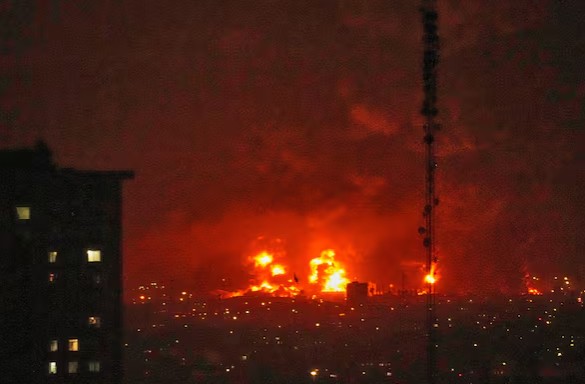
1. Tehran oil depots and fuel storage facilities
-

Location: Tehran region
-
Attacked by: Israel (airstrikes)
-
Damage:
-
Multiple fuel depots and oil storage facilities destroyed.
-
Huge fires spread across storage tanks; reports described “rivers of burning oil” and thick toxic smoke covering parts of the city.
-
Residents were warned to stay indoors due to pollution and acidic smoke.
-
Impact:
-
Temporary fuel shortages in central Iran.
-
Environmental contamination.
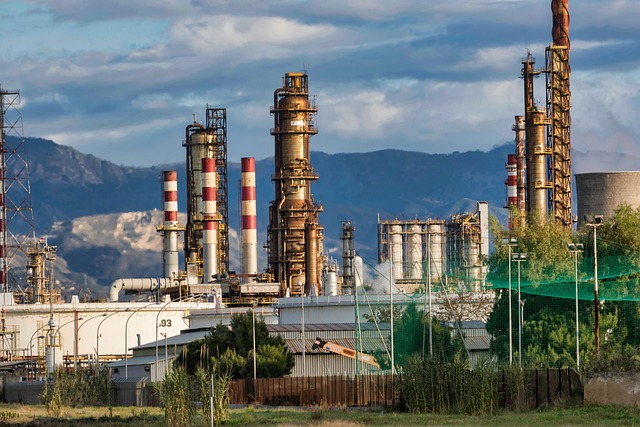
2. Tehran-area oil refinery
-
Attacked by: Israel
-
Damage:
-
Direct strikes triggered large explosions and uncontrolled fires around refinery infrastructure.
-
The refinery temporarily halted operations.
-
Impact:
-
Domestic gasoline production disrupted.
3. South Pars Gas Field processing facility
-
Location: Bushehr Province
-
Attacked by: Israel
-
Damage:
-
Strike on a natural-gas processing facility caused a large explosion and fire.
-
Why it matters:
-
South Pars is the world’s largest gas field shared with Qatar.
-
Damage affects LNG supply chains.
4. Fajr-e Jam Gas Refinery
-
Location: Bushehr Province
-
Attacked by: Israel
-
Damage:
-
Airstrike triggered major refinery fire and forced shutdown.
-
Impact:
-
Reduced gas processing capacity for Iran.
5. Oil storage facilities in Tehran and Alborz
-
Attacked by: Israel / US coalition strikes
-
Damage:
-
Several storage depots hit; massive flames and black smoke visible for miles.
-
6. Important facility NOT hit: Kharg Island export terminal
-
Location: Persian Gulf
-
Handles: ~90% of Iran’s oil exports
-
Status: Not targeted yet due to risk of global oil crisis.
If this facility were destroyed, analysts warn oil could jump above $150 per barrel.
2. Oil and energy facilities hit by Iran (retaliation)
Iran’s response targeted energy infrastructure in the Gulf and shipping routes.
1. Ras Tanura refinery
-
Location: Saudi Arabia
-
Owner: Saudi Aramco
-
Attack: Iranian drones
-
Damage:
-
Fire triggered by drone debris.
-
Refinery temporarily shut down as precaution.
-
Why it matters:
-
Ras Tanura is one of the world’s largest oil export terminals.
2. LNG facilities in Qatar
-
Location: Qatar
-
Damage:
-
LNG production temporarily halted after strikes on energy infrastructure.
-
Impact:
-
Major disruption to global LNG supply.
3. Oil tankers and ships in Strait of Hormuz
-
Location: Strait of Hormuz
-
Attack: Mines and missile strikes
-
Damage:
-
Several ships hit; shipping halted.
-
Iran deployed naval mines.
-
Importance:
-
About 20% of the world’s oil passes through this strait.
4. Fuel storage tanks at Salalah Port
-
Location: Port of Salalah in Oman
-
Attack: Drone strike (suspected Iranian involvement)
-
Damage:
-
Several fuel tanks burned; port operations disrupted.
-
5. Israeli energy facilities
-
Example:
-
Haifa oil refinery
-
-
Damage:
-
Power station damage forced shutdown of Israel’s largest refinery.
-
3. Countries affected by the oil facility attacks
These attacks are affecting energy supply in many countries.
Directly attacked
-
Iran
-
Saudi Arabia
-
Qatar
-
Oman
-
Israel
Economically affected
-
United States
-
China
-
India
-
Japan
-
South Korea
-
European Union countries
Reason:
-
These countries import large volumes of Middle East oil and LNG.
4. Global oil market situation
Current key factors:
-
Strait of Hormuz disruption
-
~20% of global oil supply passes through it.
-
-
Energy infrastructure attacks
-
Refineries and gas facilities damaged across the Gulf.
-
-
Energy companies evacuating staff
-
Companies like Exxon, Chevron and others halting operations.
-
-
IEA emergency oil release
-
Large strategic oil reserves released to stabilize markets.
-
5. Possible crude oil price on Monday (March 16)
Current data:
-
Oil already surged near $90–$93 per barrel during the conflict.
Analysts’ scenario estimates
| Scenario | Expected Brent crude price |
|---|---|
| War stabilizes | $90–$100 |
| Continued strikes | $100–$120 |
| Strait of Hormuz blocked | $150–$200 |
Iran itself warned prices could reach $200 per barrel if the Strait is shut.
My realistic forecast for Monday (March 16):
-
Brent crude: $100–$115 per barrel
-
WTI: $95–$110 per barrel
Reason:
-
Shipping disruptions
-
Energy facility shutdowns
-
High geopolitical risk premium