Metal recycling in Melbourne keeps valuable resources in circulation, diverts construction waste from landfill, and reduces the energy intensity of manufacturing. By choosing sustainable recycling, businesses and households support eco-friendly recycling practices that slash emissions and conserve raw materials. Established operators such as Southern Cross Metal Recyclers (SCMR) demonstrate how modern scrap metal recycling aligns with regional waste management goals and responsible metal collection at scale.
Circular economy benefits for major sectors
For the Construction Industry, Manufacturing & Industrial producers, and the Automotive Industry, responsible scrap metal recycling is a direct path to a stronger circular economy. It enables continuous resource recovery across demolition recycling, production offcuts, and end-of-life vehicles.
Savings and revenue through better scrap metal prices
Efficient metal recycling doesn’t just help the planet—it pays. Clean, well‑sorted scrap metal attracts better scrap metal prices, and commercial recycling programs can unlock meaningful rebates across ongoing production cycles. With a quick assessment and the right documentation, businesses often secure the best price for predictable grades, while households use residential recycling drop-off options to convert clutter into value. Recycling experts can help you get a quote and plan tailored solutions that suit your volumes.
Green Star pathways and compliance
Recycling partners experienced in supporting Green Star Accredited projects help contractors meet Green Star targets by documenting diversion rates, safe processing, and traceable handling. Green Star pathways reward eco‑efficient material flows, so verifying grades, weights, and downstream processors is critical for formal submissions.
Local impact across Melbourne’s suburbs
From Bayside to the Northern Suburbs, and across the Western Suburbs to the South Eastern Suburbs, metal recycling drives local jobs, safer streets, and cleaner verges through organised metal collection and scrap car removal. Community gains include reduced illegal dumping and a lower environmental footprint for neighbourhoods that actively participate in organised pick-up service schedules and convenient drop-off at a nearby recycling yard.
Accepted Metals and Pricing: Ferrous vs Non‑Ferrous, Grades, and ‘Cash for Scrap’ Payment Rules
Ferrous metals: steel and iron grades
Ferrous categories typically include light steel, heavy steel, and cast iron from beams, machinery, and demolition recycling. Processing often involves shearing and scrap metal compaction before mill delivery. Operators like Norstar Steel Recyclers publish acceptance lists and safety criteria, which help you maintain cleaner loads and improve your scrap metal prices.
Non‑ferrous metals and battery recycling
Non‑ferrous categories—copper, brass, aluminium, stainless steel, lead, insulated wire, and catalytic converters—command higher scrap metal prices per kilogram. Many sites also offer battery recycling for lead‑acid units from vehicles and plants. For small appliances and white goods recycling, check the acceptance of mixed assemblies and remove non‑metal components to avoid downgrades.
What drives pricing—and using a scrap metal calculator
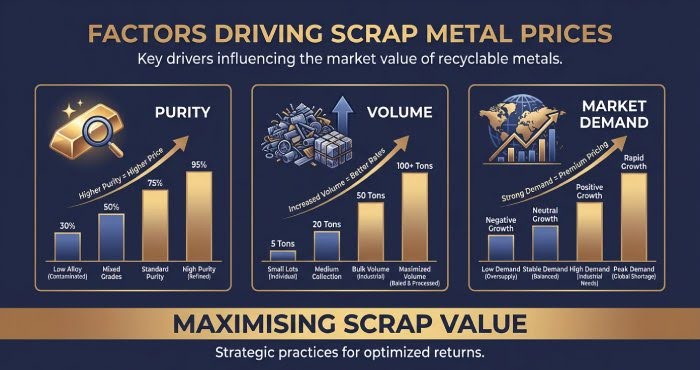
Daily market indices, grade purity, volume, and contamination drive scrap metal prices. Sorting by metal type and removing residues (oil, plastics, timber, glass) protects your grade. Use a scrap metal calculator for estimates, then request a quick assessment from recycling experts to lock in a rate based on weight, grade, and delivery method.
‘Cash for scrap’ rules and documentation
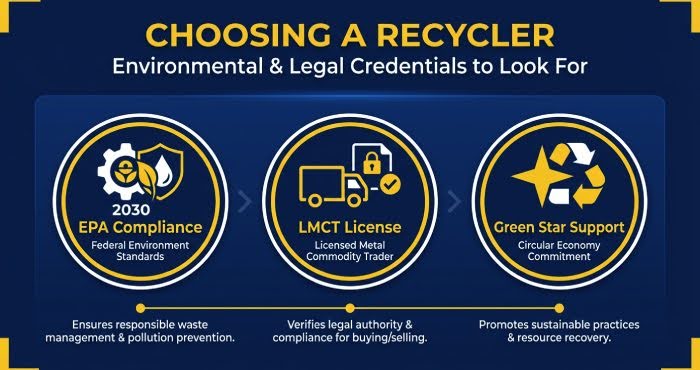
In Victoria, “cash for scrap” is industry shorthand for fast, compliant payouts—typically same‑day electronic transfer. Whole vehicle purchases must be handled by a Licensed Motor Car Trader (LMCT), and reputable recyclers require identification and proof of ownership for end-of-life vehicles. Operators such as Sunshine Scrap Metal outline acceptable IDs, weighbridge dockets, and payment processes, ensuring transparent transactions.
Fast Pickups and Easy Drop‑Offs: Booking, Service Areas, Bins, and Turnaround Times
Booking a pick-up service—what to expect
A professional pick-up service starts with a quick assessment of your site access, estimated tonnage, and safety requirements. Businesses can schedule recurring metal collection, while households arrange one‑off collections. Many providers offer tailored solutions, including after‑hours collections for busy facilities.
Service areas across Melbourne
Coverage spans the CBD and fringe to Bayside, Northern Suburbs, Western Suburbs, and South Eastern Suburbs. Industrial zones around Laverton North are well serviced for factory shutdown clearances and ongoing industrial metal recycling streams, while suburban operations support residential recycling and small business clean‑ups.
Bins, equipment, and on-site efficiency
Providers supply metal bins in varied capacities, crane-lift bins, and a security cage for higher-value non‑ferrous metals. For heavy loads, tilt-trays and hook-lifts streamline scrap metal transport. Choosing the right equipment boosts safety and ensures faster turnaround times for your recycling services.
Smooth drop-off options and turnaround times
If you prefer drop-off, confirm opening hours and vehicle access for utes, vans, and light trucks. Some sites near the South East accept deliveries at locations such as 57 Tarnard Dr, Braeside VIC 3195, Australia. Weighbridge teams record your net weight, grade your load, and process payment quickly.
How to Prepare Scrap for Top Dollar: Sorting, Decontamination, Safety, and Documents
Sort for purity to maximise scrap metal prices
Separate ferrous from non‑ferrous and further split non‑ferrous into copper, brass, aluminium, stainless, and insulated cable. Remove attachments and segregate clean alloys from painted or contaminated pieces. Reference acceptance guidance from established yards like Highett Metal to align your preparation with pricing tiers and get the best price.
Decontamination and dismantling for higher grades
Drain oils and coolants from machinery before metal collection. Strip fittings, plastics, and rubber from appliances to support white goods recycling. For scrap car removal and end-of-life vehicles, remove personal items and provide keys where possible; LMCT-compliant vendors will handle compliance and depollution. When practical, partial dismantling and light scrap metal compaction reduce transport costs.
Safety first: people, plant, and load integrity
Use PPE (gloves, eyewear, boots), secure loads with chains or straps, and maintain a clear exclusion zone during loading. Keep a clean staging area for forklifts or cranes and ensure your security cage is locked for high-value coppers and alloys. Many operators share handling tips—see resources from experienced yards like Scrappys for safe preparation ideas.
Documents you’ll need
Bring photo ID, business ABN (for commercial recycling), and any weighbridge records if pre-weighed. For vehicles, a Licensed Motor Car Trader (LMCT) must process the transaction; you’ll need proof of ownership and registration details. For project work such as site clearing or a factory shutdown, prepare a materials inventory and any hazardous materials notes to help coordinators plan safe, compliant removal.
Choosing a Melbourne Recycler: Licences, Environmental Compliance, and Customer Guarantees
Licences, accreditations, and compliance
Select a recycler with robust environmental management, EPA compliance, and experience supporting Green Star Accredited projects. For vehicles, ensure the operator is a Licensed Motor Car Trader (LMCT) and can issue appropriate receipts. Many reputable providers, such as Ezi Metal Recycling, publish their capabilities, acceptance lists, and safety standards, promoting transparent scrap metal recycling.
Guarantees, tailored solutions, and service level
Look for written service commitments, from guaranteed pick-up service windows to documented grade assessments. The best metal waste solutions adapt to your volumes—residential recycling, scheduled industrial metal recycling, and on-demand commercial recycling. Expect flexible metal bins supply, priority bookings for time-sensitive construction waste, and responsive teams who can get a quote turned around quickly.
Experience, leadership, and industry focus
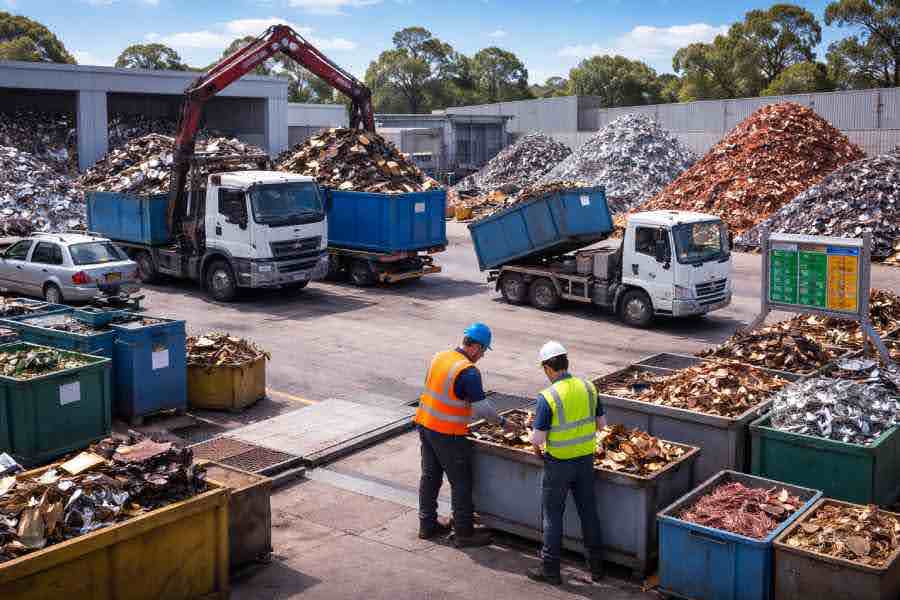
Proven operators such as Southern Cross Metal Recyclers (SCMR) have long served Melbourne’s Construction Industry, Manufacturing & Industrial sectors, and the Automotive Industry. Industry leaders, including Peter Ranton and David Ivory, have championed process innovation, safe scrap car removal, and customer-first logistics. Whether you’re cleaning up a small workshop or coordinating demolition recycling in Laverton North, experienced recycling experts will align collection, grading, and payment to meet your goals. Visit Metal Men Recycling for further details.